Dysgraphia vs Dyslexia: Why Both Matter
Dyslexia brings the outside in; dysgraphia brings the inside out. Both deserve equal attention in how we support learners.
September 16, 2025
Dyslexia brings the outside in; dysgraphia brings the inside out. Both deserve equal attention in how we support learners.
September 16, 2025
> Dyslexia gets attention. Dysgraphia gets overlooked. But both change lives in profound ways.
If you have spent time in education or business circles, you have probably heard of dyslexia. LinkedIn even lists “Dyslexic Thinking” as a skill — a recognition of the creativity, problem-solving, and big-picture strengths that can come with a dyslexic brain.
But what about dysgraphia? Despite affecting millions of children and adults, dysgraphia rarely makes headlines, appears on skill lists, or gets the attention it deserves. Yet its impact on daily life, school performance, and confidence is just as profound — sometimes even more so.
Dyslexia is typically described as difficulty processing written words — a challenge with bringing what is on the outside (books, screens, text) inward for comprehension.
This is why “dyslexic thinking” has been celebrated: dyslexic individuals often excel at seeing connections others miss.
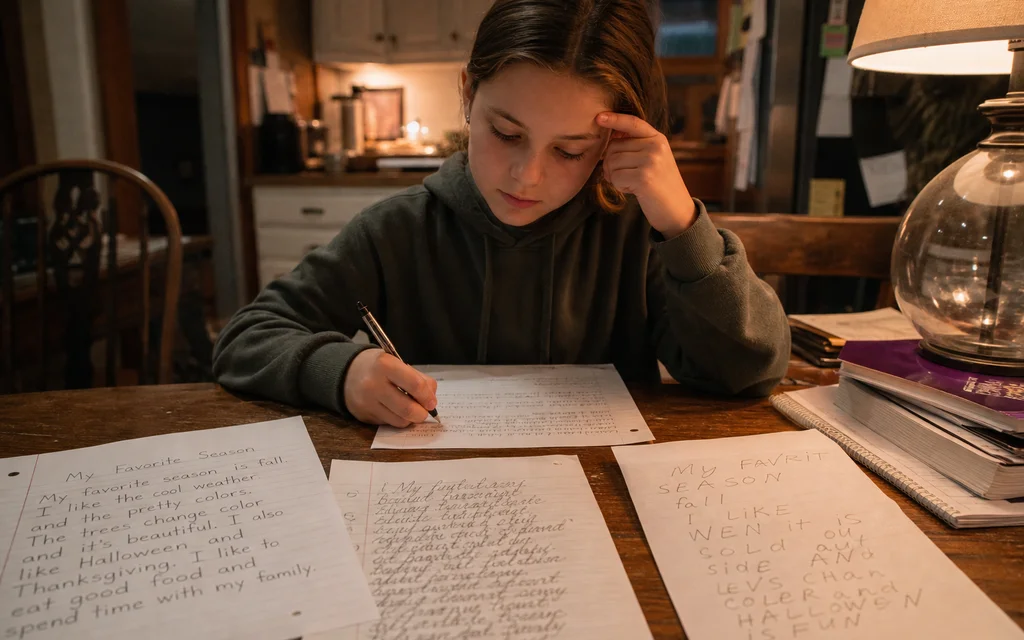
Dysgraphia is almost the mirror opposite. It is difficulty bringing what is on the inside (thoughts, ideas, understanding) outward onto the page — messy writing, poor spelling, trouble expressing thoughts, and attention strain when writing.
Dysgraphia does not only affect schoolwork — it affects identity. A child who understands material but cannot show it on paper is often mislabeled as careless, lazy, or unfocused. Adults with dysgraphia may avoid jobs or opportunities that require written communication.
Unlike dyslexia, dysgraphia rarely receives cultural recognition in strengths-based terms. When we overlook dysgraphia, we overlook hidden genius.
It is time to give dysgraphia the same level of awareness and practical support that dyslexia has received. Both are real. Both matter. Through multi-sensory learning, literacy assessments like the Hidden Genius Literacy Assessment, and a willingness to see differently, families can unlock potential trapped by narrow definitions of reading and writing.
— Diane Devenyi, JD, MEd
Book a private consultation or explore the Hidden Genius Literacy Assessment.